
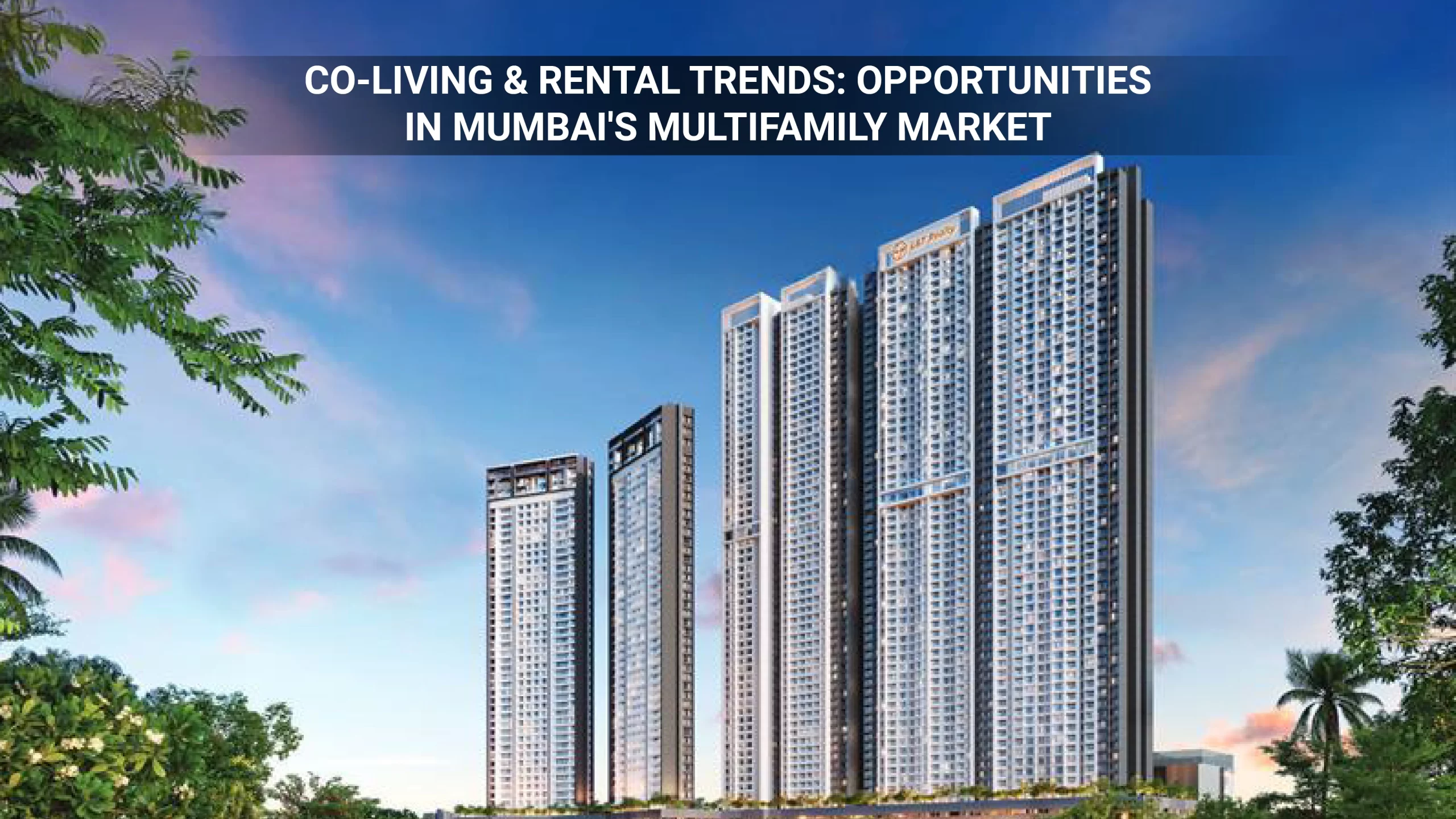
If you’ve lived in Mumbai long enough, you’ve seen how fast the housing scene can change. What people need from their homes today is very different from what they wanted even five years ago. At Arthlabh, we’ve been paying close attention to that shift. We don’t just watch housing trends, we track what’s changing on the ground and how it affects the people who rent, invest, and build in this city.
Right now, renters are shaping the direction of the market. Fewer people are focused on ownership. More are looking for flexibility, simplicity, and comfort. This change is showing up in several places. Like in what’s being built, how people rent, and where the money is flowing. We’re seeing it most clearly in Mumbai rental housing trends, the growth of co-living in Mumbai in 2025, and a stronger push toward multifamily investments in India.
Renting isn’t just temporary anymore:
In the past, renting was something people did until they could afford to buy. Now, that mindset is shifting. Many people are renting by choice, not just necessity. Some move for work, some value flexibility, and others don’t want to tie themselves to long-term loans.
We’ve seen more tenants ask for ready-to-move-in homes with good maintenance, clear lease terms, and no hidden costs. They’re not looking for luxury. They want functional spaces with working basics, safe buildings, and predictable service. Location still matters, but it’s not enough on its own. These changing expectations are behind many of the Mumbai rental housing trends we’re seeing today. More developers and property managers are adjusting to meet those expectations, and those who don’t risk falling behind.
What co-living in Mumbai looks like:
There’s been a lot of talk about co-living in Mumbai in 2025, but from what we’ve seen, it’s becoming a real part of the rental market. Co-living isn’t just about shared apartments anymore. It’s about private rooms, common kitchens, fast Wi-Fi, housekeeping, and maintenance all wrapped into one payment. For a lot of people, it removes the hassle of setting up a flat or chasing bills. It also offers a way to meet people in a new city, especially if you’re moving alone.
Most renters we see in co-living spaces are working professionals, interns, or people on short contracts. Some stay for a few months. Others renew because it’s simple and stable. What matters is that the space feels livable, clean, and well managed. The best run co-living properties are quiet, efficient, and respectful of residents’ time. And that’s what’s pushing this model forward.
Why multifamily investments are picking up in India:
There’s a noticeable shift in how residential real estate is being viewed from the investor side too. Traditionally, investment was about buying individual units and selling them later. But now we’re seeing more interest in building and holding rental properties long-term. That’s where multifamily investments in India come in. Multifamily housing refers to a single property with multiple rental units, all managed under one structure. It’s common in countries like the US, but it’s still early in its growth here. That said, the fundamentals make sense especially in cities like Mumbai.
A multifamily project allows for steady rental income, better control over operations, and fewer surprises. Instead of depending on sales, investors can focus on long-term returns. And for tenants, it usually means more consistent service and better upkeep. We’ve had more conversations around rental-focused development in the past year than ever before. More builders are starting to view rentals as a core part of their business model, not just a fallback.
These trends are part of the same story:
From our point of view at Arthlabh, Mumbai rental housing trends, co-living in Mumbai in 2025, and multifamily investments in India are all connected. They’re each responding to the same set of needs: less stress, more flexibility, and better value for both renters and investors.
When rentals are well-designed and well-managed, everyone benefits. Tenants stay longer, investors see steady returns, and the city gets housing that works for how people actually live today. The future of renting in Mumbai isn’t about one big change. It’s about a lot of smaller shifts moving in the same direction, and it’s happening right now.
What we think is coming next:
We expect to see more developments specifically designed for renting. These won’t be luxury towers, and they won’t be old buildings retrofitted to rent. They’ll be practical, mid-range, and built with the renter in mind. We also foresee that co-living will start serving more than just young professionals. There’s room for older adults, students, and even working couples in this model, if it’s managed well.
Multifamily, on the other hand, has the potential to become a serious part of the investment landscape. With better financing options and clearer regulations, we could see more long-term rental portfolios coming into play. That means developers might stop selling every unit and start holding on to some for rental income. At Arthlabh, we’ll continue to keep a close eye on how these pieces develop. We’re not just interested in where the market is now. We’re looking at where it’s going and how to build around that.
Final thought:
Rental housing in Mumbai is growing. It’s becoming more structured, more intentional, and more responsive to what people need. Whether it’s the rise of co-living in Mumbai in 2025, the growing interest in multifamily investments in India, or the larger shifts in Mumbai rental housing trends, it’s clear that this is a moment of change and also of opportunity. We’ll keep watching, keep learning, and keep sharing what we see. Better housing doesn’t start with trends. It starts with understanding.
Also Read – How to Create a Real Estate Investment Plan